Tiny Greens Making a Big Revolution
In today’s world, people are becoming more aware of what they eat and how their food is grown. Health, sustainability, and nutrition are no longer just trends- they have become a lifestyle. Among the many innovations shaping modern healthy eating, microgreens are emerging as tiny nutritional powerhouses that are transforming kitchens, restaurants, and urban farms around the globe.
Though small in size, microgreens are packed with flavor, vibrant colors, and concentrated nutrients. These young greens are proving that sometimes the smallest plants can create the biggest impact on health and sustainable living.
At HappyGreenz, hydroponic farming technologies are helping produce fresh, clean, and nutrient-rich microgreens that perfectly fit the needs of modern consumers. By combining science, sustainability, and smart farming practices, microgreens are becoming an important part of the future of food.
What Exactly Are Microgreens?
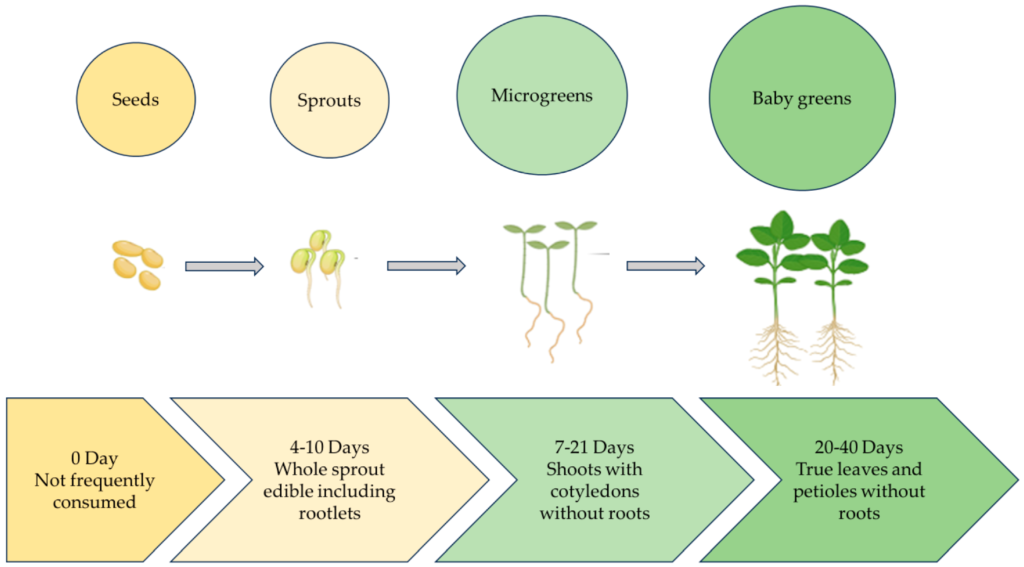
Microgreens are young edible seedlings harvested at the early stage of plant growth, usually within 7 to 21 days after germination. They are harvested once the cotyledons, or seed leaves, fully develop and the first true leaves begin to emerge.
These greens are more developed than sprouts but younger than baby greens. Unlike sprouts, which are grown only in water and consumed along with the roots and seeds, microgreens are cultivated in soil substitutes or hydroponic media such as cocopeat, hydroponic mats, or biodegradable pads. Only the stem and leaves are harvested, making them cleaner, safer, and more flavorful.
Despite their delicate appearance, microgreens contain highly concentrated nutrients and intense flavors that make them both nutritionally valuable and visually appealing.
Why Are Microgreens Called “Nutritional Superfoods”?
One of the biggest reasons behind the rising popularity of microgreens is their exceptional nutritional density. Scientific studies have shown that many microgreens contain significantly higher concentrations of vitamins, minerals, and antioxidants compared to their mature vegetable counterparts.
Microgreens are rich in vitamins A, C, E, and K, along with important minerals such as iron, calcium, magnesium, potassium, and zinc. They are also loaded with antioxidants and phytochemicals that help protect the body against oxidative stress and inflammation.
Broccoli microgreens, for example, are known for containing sulforaphane, a powerful antioxidant compound. Red cabbage microgreens contain anthocyanins that support heart health, while sunflower microgreens provide healthy fats and proteins. Since these plants are harvested at a very young stage, nutrients remain highly concentrated within their tissues.
These tiny greens support immunity, digestion, skin health, heart health, and overall wellness while adding freshness and flavor to daily meals.
Exploring the Wonderful World of Microgreens
One of the most exciting things about microgreens is the enormous variety that can be cultivated. Almost every edible vegetable or herb can be grown as a microgreen, each bringing its own unique flavor, color, texture, and nutritional benefits.
Brassica microgreens such as broccoli, mustard, radish, kale, cabbage, and cauliflower are among the most popular varieties. These greens are known for their peppery flavor and high antioxidant content.
Leafy green microgreens including spinach, lettuce, Swiss chard, and amaranthus are softer in flavor and highly nutritious. Herb microgreens such as basil, coriander, parsley, dill, and fenugreek are aromatic and commonly used for garnishing and flavor enhancement.
Legume microgreens like pea shoots, chickpeas, and lentils are crunchy, slightly sweet, and rich in proteins and fiber. Specialty colorful varieties such as beetroot, red cabbage, and purple amaranthus are loved for their vibrant appearance and antioxidant-rich pigments.
The beauty of microgreens lies in their diversity — there is a microgreen for every palate and every plate.
Hydroponics: The Perfect Growing System for Microgreens
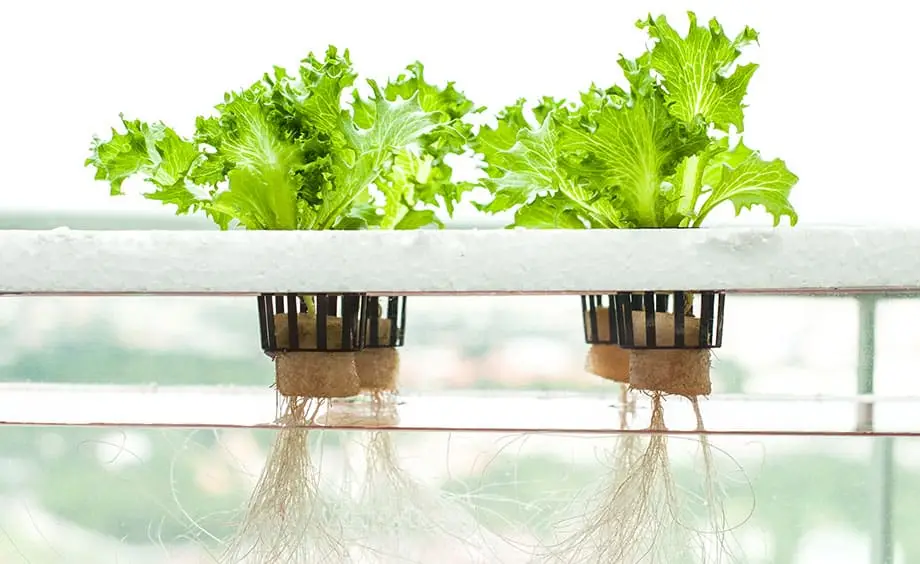
Microgreens and hydroponics form a perfect partnership. Hydroponics is a modern cultivation technique where plants are grown without soil using nutrient-rich water solutions. This method provides ideal growing conditions for microgreens because it allows precise control over nutrients, moisture, hygiene, and environmental conditions.
At HappyGreenz, hydroponic systems ensure cleaner cultivation, efficient water use, faster growth, and consistent quality. Since microgreens have short growth cycles and require very little space, they are highly suitable for hydroponic farming and urban agriculture.
The cultivation process begins with selecting high-quality seeds. These seeds are evenly spread on growing media such as cocopeat or hydroponic pads. During germination, temperature and humidity are carefully maintained to ensure healthy sprouting. Once seedlings emerge, they are exposed to sunlight or LED grow lights to support chlorophyll formation and healthy growth.
Because nutrients are supplied directly to the roots, hydroponic systems allow plants to grow rapidly while reducing contamination risks and minimizing resource wastage.
Tiny Greens with Massive Health Benefits
Microgreens are not just visually attractive; they are incredibly beneficial for overall health. Their rich antioxidant content helps strengthen the immune system and protect cells from damage caused by free radicals. Vitamins and minerals present in microgreens support healthy skin, stronger bones, improved digestion, and better vision.
Many microgreens are low in calories yet extremely nutrient dense, making them ideal for weight-conscious individuals. Their fiber content supports gut health, while their phytochemicals may help reduce inflammation and support cardiovascular wellness.
Since microgreens are mostly consumed raw, nutrient loss during cooking is minimal, allowing consumers to enjoy their full nutritional potential.
Bringing Microgreens to Your Plate
One of the reasons microgreens are loved by chefs and home cooks alike is their versatility. They can instantly elevate both the nutritional value and visual appeal of meals.
Microgreens can be added to salads, sandwiches, wraps, soups, smoothies, pasta dishes, rice bowls, omelets, and fresh juices. Their intense flavors — ranging from spicy and peppery to sweet and earthy — make them excellent ingredients for both traditional and modern cuisines.
Even a small handful of fresh microgreens can transform an ordinary dish into a vibrant and nutrient-rich meal.
Quick & Healthy Recipes with Microgreens
- Rainbow Microgreen Salad Bowl
A colorful bowl filled with cucumber, tomatoes, carrots, roasted sunflower seeds, and mixed microgreens creates a refreshing and antioxidant-rich salad. Tossed lightly with olive oil and lemon juice, this simple recipe is both healthy and delicious.
- Microgreen Avocado Toast
Whole grain toast topped with mashed avocado and fresh sunflower or radish microgreens makes for a wholesome breakfast packed with healthy fats, vitamins, and minerals. A sprinkle of chili flakes adds extra flavor and freshness.
- Green Power Smoothie
Blending spinach, banana, apple, pea shoot microgreens, and coconut water creates a refreshing smoothie loaded with chlorophyll, antioxidants, and natural energy-boosting nutrients.
- Creamy Microgreen Sandwich
A sandwich layered with hung curd or cream cheese, cucumber, tomato, and fresh microgreens provides a crunchy, nutritious, and filling snack perfect for busy lifestyles.
- Detox Microgreen Juice
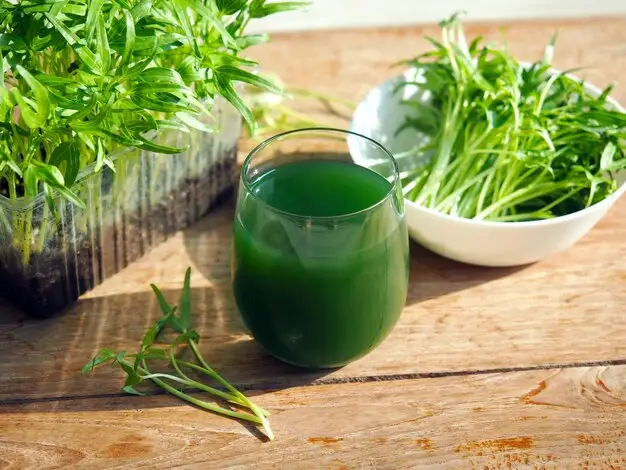
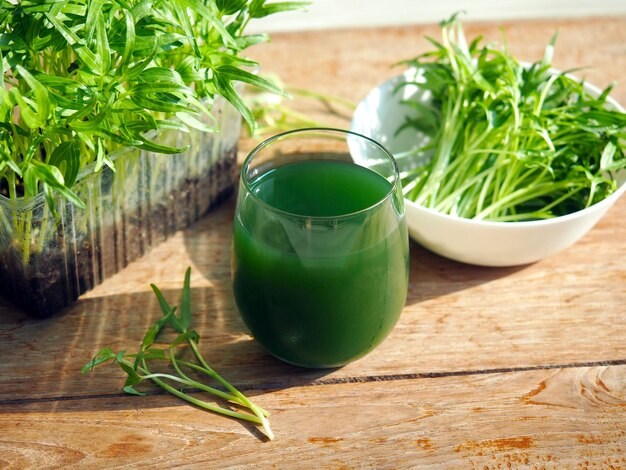
Fresh coriander or wheatgrass microgreens blended with cucumber, mint, green apple, and lemon juice make a refreshing detox drink rich in vitamins and hydration.
Why Microgreens Represent the Future of Farming
Microgreens are more than just trendy garnishes; they represent a sustainable future for agriculture. Compared to conventional farming, they require significantly less land, less water, and shorter growing periods. Hydroponic cultivation further improves sustainability by reducing water wastage and minimizing the need for pesticides.
As cities continue to expand and agricultural resources become limited, crops like microgreens provide practical solutions for urban farming and local food production. Their compatibility with indoor hydroponic systems makes them especially important for future food security and smart agriculture.
Microgreens are also economically valuable due to their premium market demand and rapid crop cycles, making them ideal for hydroponic businesses, startups, and urban entrepreneurs.
Frequently Asked Questions (FAQs)
1. Are microgreens healthier than regular vegetables?
Many microgreens contain higher concentrations of vitamins and antioxidants compared to mature vegetables, making them highly nutritious additions to daily diets.
2. How long do microgreens take to grow?
Most microgreens are ready for harvest within 7 to 21 days depending on the crop variety.
3. Can microgreens be grown hydroponically?
Yes, microgreens grow exceptionally well in hydroponic systems due to controlled nutrient supply and efficient water management.
4. Are microgreens safe to eat raw?
Yes, when grown under hygienic conditions, microgreens are safe and are commonly consumed raw.
5. Which microgreens are most popular?
Broccoli, radish, mustard, sunflower, beetroot, pea shoots, basil, and red cabbage are among the most popular varieties.
6. Can microgreens be grown at home?
Absolutely. Microgreens are easy to grow indoors using trays, simple growing media, and proper lighting.
7. Why are microgreens becoming so popular?
Microgreens combine nutrition, freshness, sustainability, flavor, and modern farming innovation, making them highly appealing to health-conscious consumers.
Conclusion : Small Plants, Big Possibilities
Microgreens may be tiny, but their contribution to nutrition, sustainability, and modern agriculture is enormous. They perfectly combine health, freshness, innovation, and environmental responsibility into one compact crop.
At HappyGreenz, hydroponic farming is helping bring these nutrient-rich greens from controlled environments directly to consumers’ plates with quality and freshness preserved.
In every tray of microgreens lies a simple but powerful message — the future of healthy eating and sustainable farming can begin with something as small as a tiny green leaf.