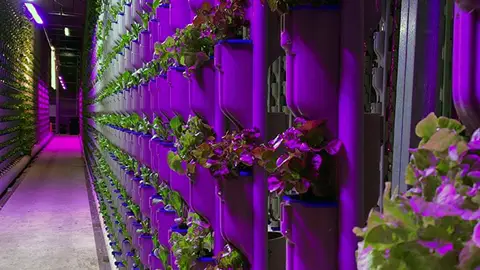
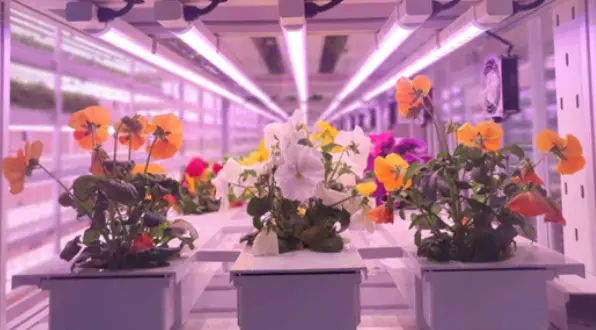
Hydroponics is transforming modern farming. While it’s often associated with leafy greens and herbs, growers are now turning to something more vibrant—flowers.
So, can flowers really thrive in hydroponics?
Yes, they can—and often even better than in soil. In fact, advanced methods like aeroponics take this efficiency even further by enhancing root oxygenation and nutrient delivery.
Do Flowers Thrive in Hydroponics?
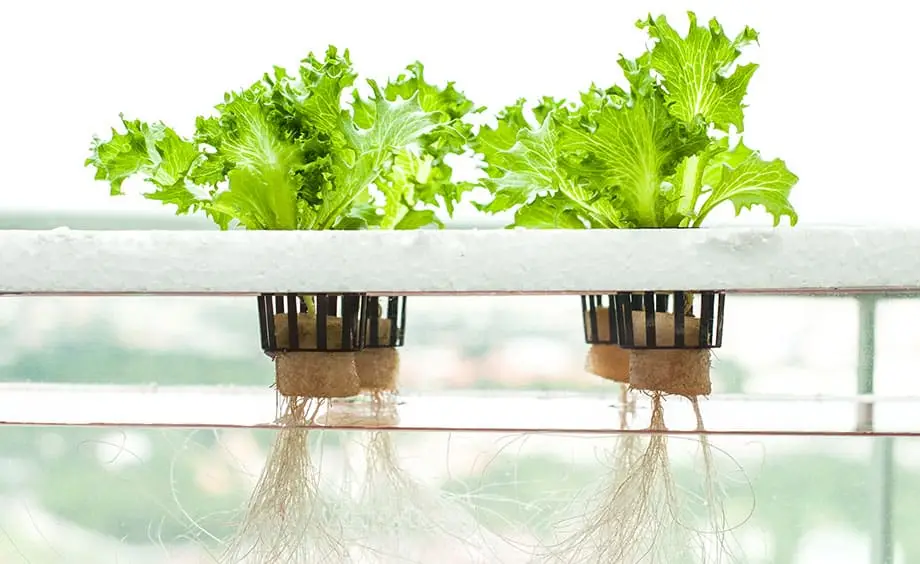
Absolutely. In soil, plants depend on variable factors like soil quality, moisture, and nutrient availability. Hydroponics eliminates these uncertainties by supplying nutrients, water, and oxygen directly to the roots.
In aeroponics, roots are suspended in air and sprayed with a fine nutrient mist, which allows maximum oxygen exposure. This high oxygen availability improves root respiration and plays a key role in better flowering performance .
This controlled environment leads to:
- Faster growth
- Improved nutrient absorption
- Uniform, vibrant blooms
- Reduced risk of soil-borne diseases
As a result, hydroponic and aeroponic flowers often outperform those grown traditionally.
Why Choose Hydroponics for Flowers?
Hydroponics offers unique advantages, especially for urban and small-space growers:
- Space-saving – perfect for balconies, rooftops, and indoor setups
- Water-efficient – uses far less water than soil farming
- Cleaner blooms – no soil contamination
- Fewer pests and diseases
- Year-round cultivation
With aeroponics, these benefits are further enhanced as the system uses even less water (due to misting) and provides highly efficient nutrient use, especially during the flowering stage.
This makes hydroponics an ideal choice in cities where land and water are limited.
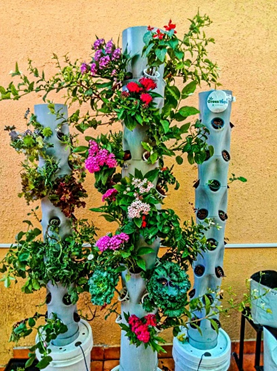
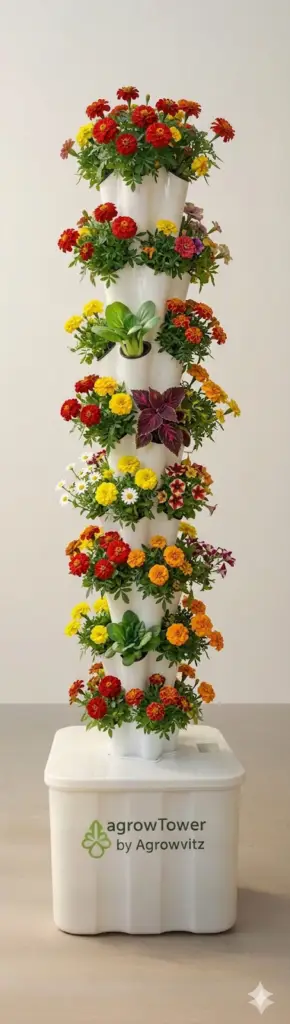
Blooming Choices: Flowers Perfect for Hydroponics
Not all flowers respond equally, so choosing the right crops is key. Some of the best options include:
- Marigold – Easy to grow, quick blooms, beginner-friendly
- Zinnia – Bright, colorful, fast-growing, great for decoration or sales
- Gerbera Daisy – Large, attractive blooms, popular in commercial markets
- Orchids – Premium flowers; thrive in carefully controlled hydroponic systems
- Mini Roses – Compact, fragrant, perfect for indoor or small-scale setups
Types of Hydroponic Systems for Flowers
Different systems can be used depending on scale and expertise:
- Deep Water Culture (DWC): Simple, beginner-friendly
- Nutrient Film Technique (NFT): Ideal for continuous production
- Aeroponics: An advanced system where roots are suspended in air and fed with nutrient mist for maximum oxygen and efficient flowering. Aeroponics is particularly effective during the flowering phase because it supports rapid nutrient uptake and better metabolic activity in plants.
Each method ensures direct nutrient delivery to roots for healthy growth.
Things to Keep in Mind
Hydroponic flower farming is rewarding but requires attention to detail:
- Maintain pH between 5.5–6.5
- Ensure proper nutrient balance
- Provide adequate light
- Keep the system clean and monitored
In aeroponic systems, additional care is required:
• Regular cleaning of misting nozzles
• Continuous power supply for mist cycles
• Precise monitoring of nutrient concentration
With consistent care, you can achieve excellent results.
Conclusion
Hydroponics isn’t just for vegetables—it’s a modern, sustainable way to grow beautiful flowers. With the addition of advanced techniques like aeroponics, growers can achieve even better results through improved oxygen supply and nutrient efficiency.
Hydroponic and aeroponic flower cultivation offers:
• Faster growth
• Cleaner, healthier blooms
• Enhanced flowering performance
• Year-round production
It’s a smart solution for anyone looking to combine beauty with innovation in farming
– Sannidhi Sampagavi
Agrowvitz agronomist (intern)