Introduction
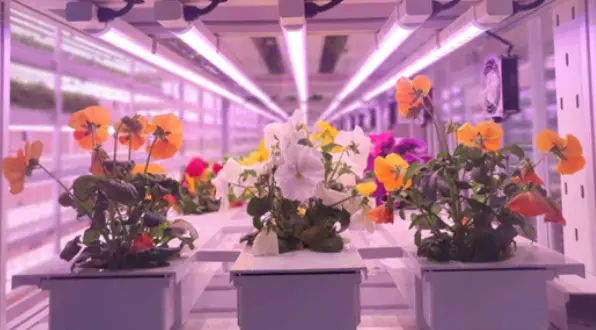
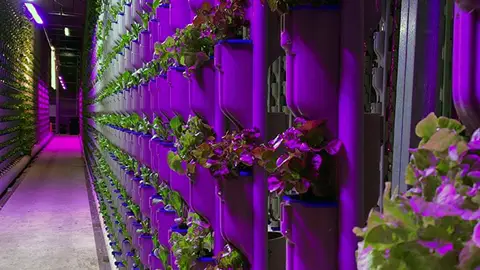
Indoor hydroponics allows crops to be grown in a fully controlled environment, independent of climate and season. However, since natural sunlight is absent indoors, artificial grow lights become the primary energy source for plant growth. These lights are not just substitutes for sunlight—they are tools that allow precise control over how plants grow, develop, and yield. For growers exploring indoor farming, understanding lighting is key to achieving consistent production and high-quality output.
Why Lighting Matters in Hydroponics
Plants rely on light for photosynthesis, where light energy is converted into chemical energy to support growth. In indoor systems, insufficient or poor-quality lighting can lead to weak stems, slow growth, reduced leaf size, and lower yields. On the other hand, optimized lighting can significantly improve plant health, uniformity, and productivity.
Artificial lighting also ensures:
- Year-round cultivation regardless of weather
- Predictable crop cycles
- Uniform growth across all plants
- Better control over crop quality
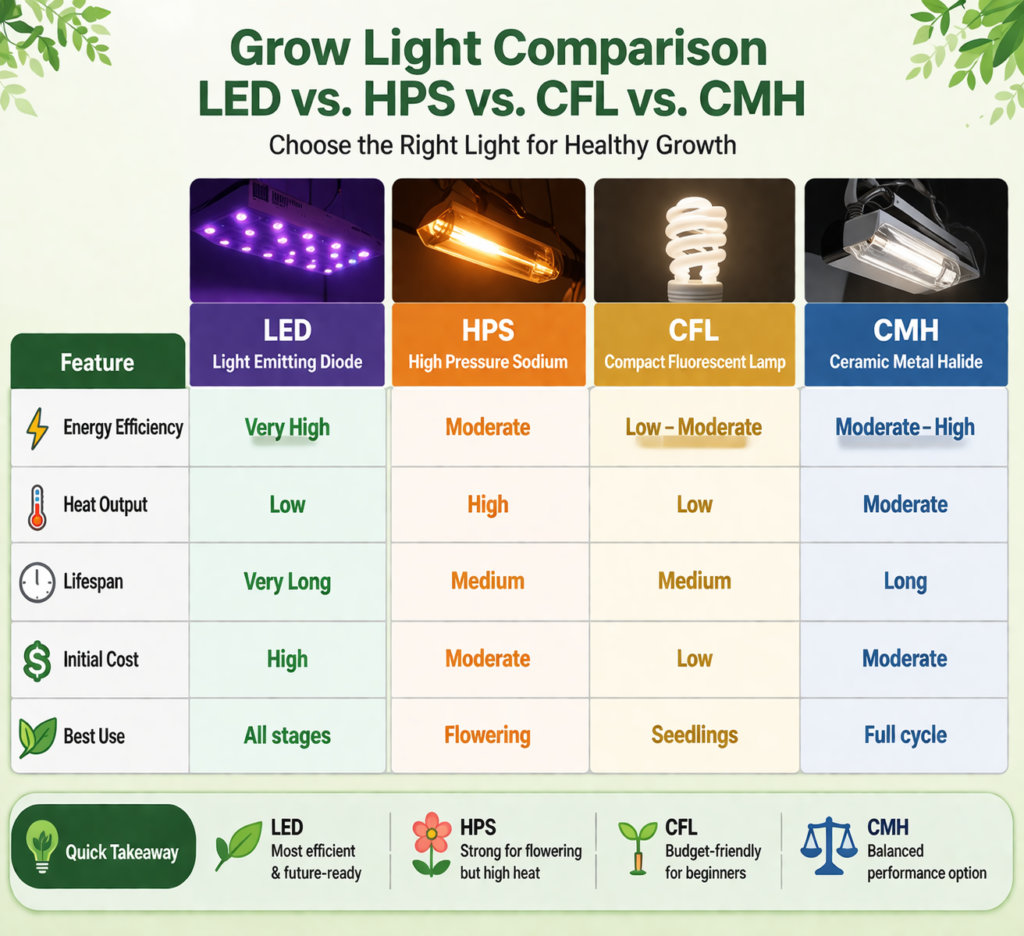
Light Type Comparison: LED vs. HPS vs. CFL vs. CMH
When setting up an indoor hydroponic system, one of the most common questions is: Which grow light should I choose? Each lighting technology has its own strengths and limitations, and the right choice depends on your crop type, budget, and scale of operation.
- LED (Light Emitting Diode)

LED grow lights are the most advanced and widely used option in modern hydroponics. They deliver light in the Photosynthetically Active Radiation (PAR) range (400–700 nm) and can be tailored for different growth stages.
- High energy efficiency → lower electricity costs
- Low heat output → minimal cooling required
- Long lifespan (up to 50,000 hours)
- Adjustable spectrum for better control
- Best suited for: Commercial setups, leafy greens, herbs, and vertical farming
- HPS (High Pressure Sodium)
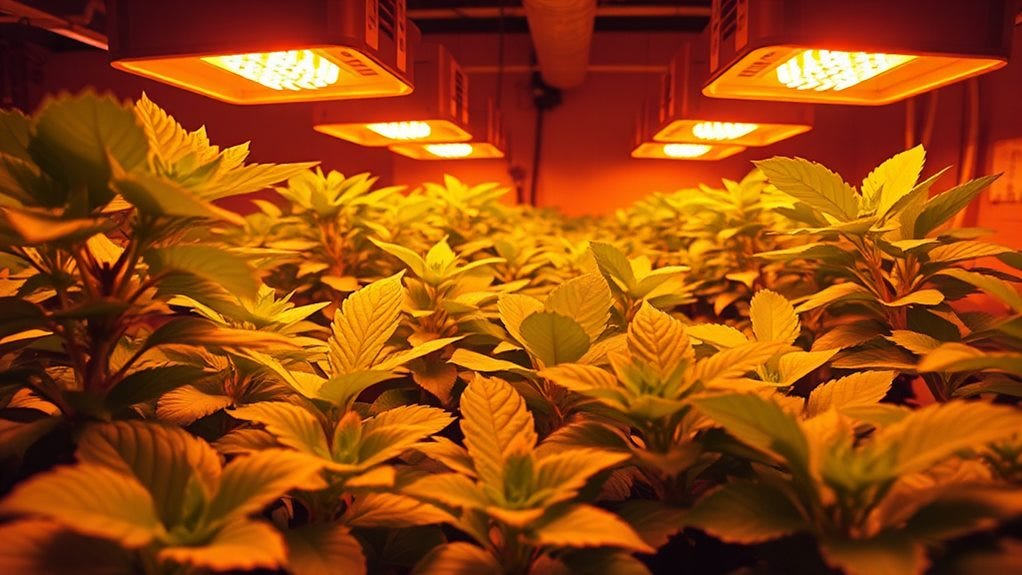
HPS lights are a traditional choice in hydroponics, especially for flowering crops due to their strong red-orange spectrum.
- Moderate efficiency
- High heat output → requires ventilation/cooling
- Good for flowering and fruiting stages
- Lower upfront cost than LEDs
- Best suited for: Flowering crops like tomato, capsicum, and strawberry
- CFL (Compact Fluorescent Lamp)

CFL lights are simple and affordable, making them popular for beginners or small-scale systems.
- Low initial cost
- Low heat generation
- Easy to install and maintain
- Limited light intensity
- Best suited for: Seedlings, microgreens, and small herb setups
- CMH (Ceramic Metal Halide)

CMH lights are an improved version of traditional metal halide lamps, offering a more balanced and natural light spectrum.
- Better spectrum quality than HPS
- Moderate energy efficiency
- Moderate heat output
- Good color rendering (useful for plant assessment)
- Best suited for: Growers looking for balanced performance across growth stages
LED Grow Lights: The Most Efficient Choice
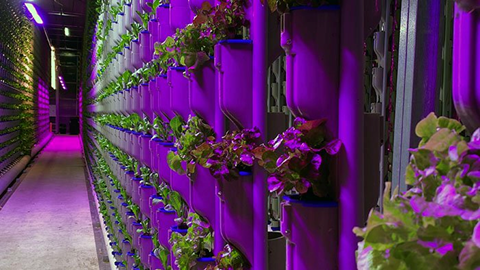
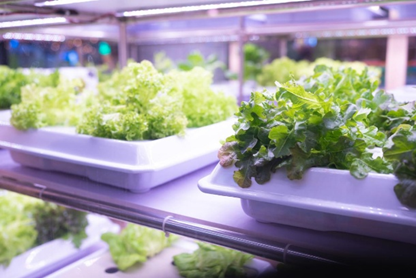
For most indoor hydroponic setups, LED grow lights are the preferred option due to their efficiency and flexibility. Plants use light in the Photosynthetically Active Radiation (PAR) range of 400–700 nm, and LEDs can be designed to deliver this exact spectrum.
From a grower perspective, LEDs offer:
- Lower electricity costs compared to traditional lights
- Minimal heat generation, reducing cooling requirements
- Long lifespan, lowering maintenance and replacement costs
- Customizable light spectrum for different crops
This makes them ideal for crops like leafy greens, herbs, flowers and even fruiting plants.
Understanding Light Spectrum and Its Impact
Different wavelengths of light influence plant growth in specific ways:
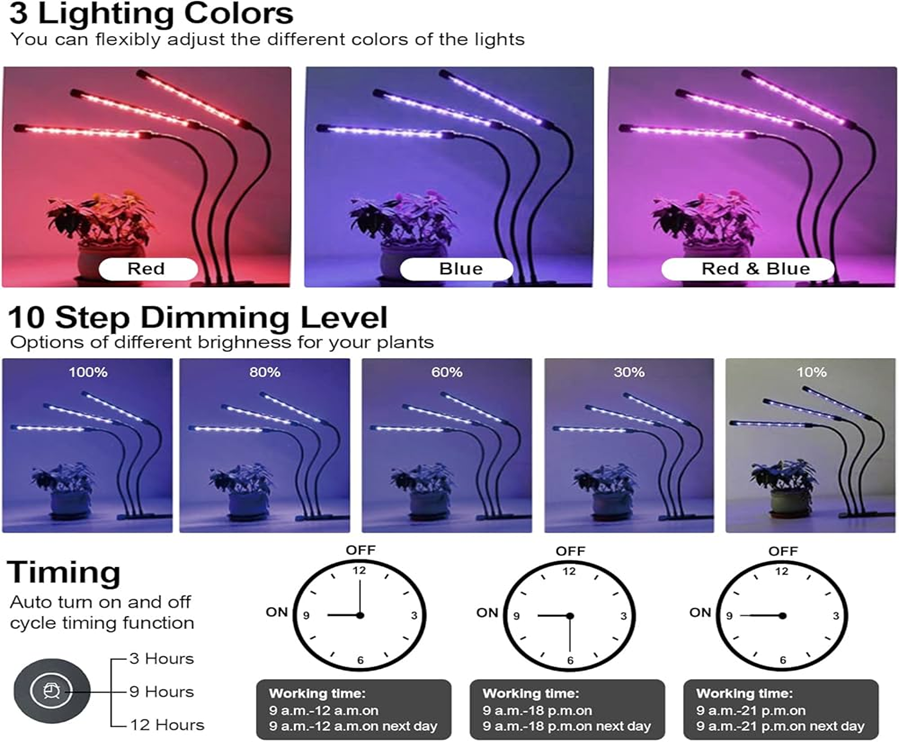
- Blue light (400–500 nm): Encourages compact, strong vegetative growth
- Red light (600–700 nm): Promotes flowering and increases yield
- Full spectrum light: Supports complete plant development from seedling to harvest
By adjusting the spectrum, growers can control plant shape, size, and productivity, which is especially useful in commercial production.
Light Duration and Crop Scheduling
Lighting duration, also known as the photoperiod, directly affects plant growth cycles.
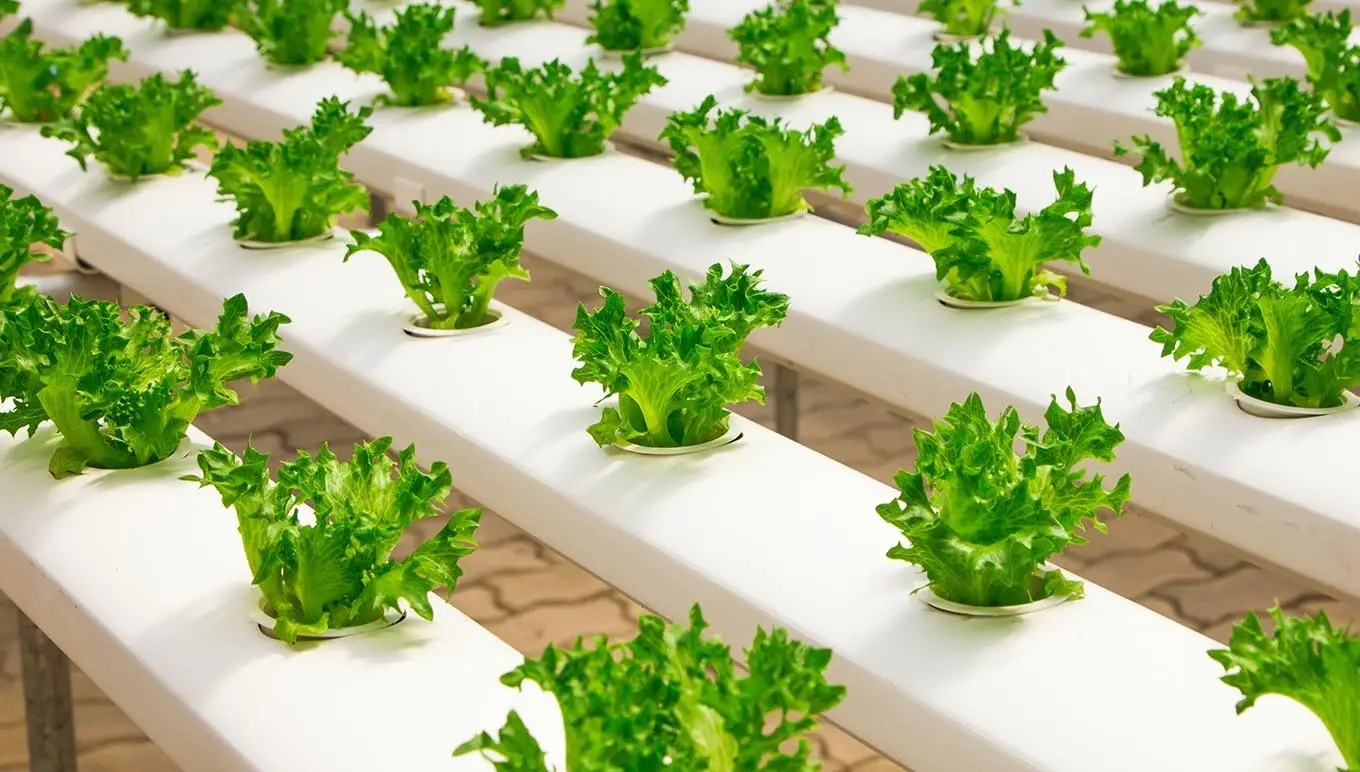
- Leafy greens (lettuce, spinach): typically require 14–18 hours of light/day
- Fruiting crops (tomato, strawberry): require balanced light cycles for flowering
For growers, this means:
- Faster crop turnover
- Ability to plan and schedule harvests
- Consistent supply to market or consumers
Automated timers are commonly used to maintain precise lighting schedules.
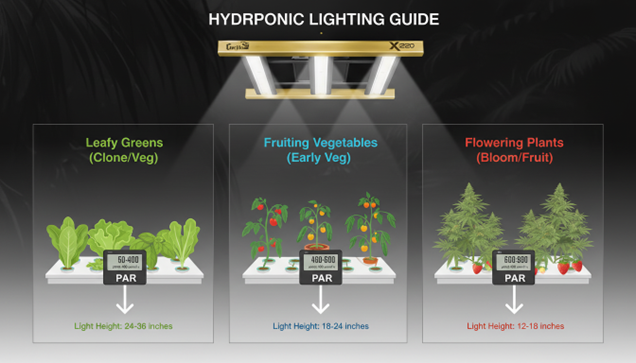
Light Intensity and Placement
Light intensity determines how much energy plants receive. If the intensity is too low, plants grow weak and elongated; if too high, it can cause stress or leaf burn.
Key practical points:
- Maintain proper distance between lights and plants
- Adjust intensity based on crop type and growth stage
- Ensure uniform light distribution across all plants
In vertical farming systems, proper light placement is essential to avoid uneven growth.
Is Indoor Hydroponic Lighting Worth the Investment?
While the initial investment in grow lighting systems may seem high, the long-term benefits outweigh the cost.
Investment includes:
- Lighting equipment
- Installation setup
- Electricity usage
Returns include:
- Higher yields per unit area
- Year-round production
- Reduced crop losses
- Premium quality produce
Efficient systems, especially LED-based, significantly improve return on investment over time.
Sustainability Advantages
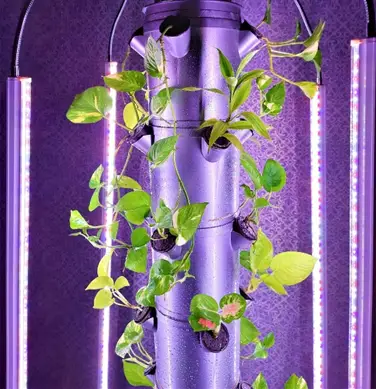
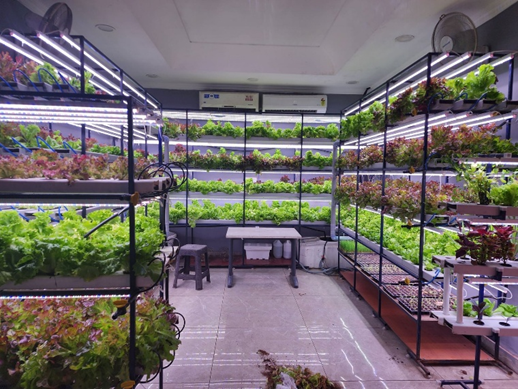
Indoor hydroponics combined with efficient lighting supports sustainable agriculture by:
- Using up to 80–90% less water than traditional farming
- Reducing land requirements
- Minimizing pesticide use
- Lowering environmental impact with energy-efficient lighting
This makes it an attractive solution for urban and resource-limited environments.
Practical Tips for Growers Starting Out
For those planning to adopt indoor hydroponics:
- Start with full-spectrum LED grow lights for flexibility
- Use timers to automate lighting cycles
- Regularly monitor plant response and adjust settings
- Ensure proper integration with nutrients, temperature, and humidity control
- Plan layout carefully for uniform light distribution
Conclusion
Grow lights are not just a supporting component—they are the backbone of indoor hydroponic systems. With the right lighting strategy, it is possible to achieve consistent, high-quality production throughout the year. Modern LED technologies make this process more efficient, cost-effective, and sustainable.
As indoor farming continues to evolve, getting the lighting right can make all the difference. If you’re planning to start or upgrade your hydroponic setup, connect with HappyGreenz for a free consultation and explore lighting solutions tailored to your needs.
Frequently Asked Questions (FAQs)
1. What is the best grow light for hydroponics?
LED grow lights are considered the best choice due to their high energy efficiency, low heat output, long lifespan, and ability to provide a full spectrum of light for all plant growth stages.
2. How many hours of light do hydroponic plants need?
Most hydroponic plants require 14–18 hours of light per day during vegetative growth, while flowering plants typically need 10–12 hours to support blooming.
3. Do grow lights really replace sunlight?
Yes, grow lights can effectively replace sunlight when they provide the correct spectrum, intensity, and duration needed for photosynthesis and plant growth.
4. How far should grow lights be placed from plants?
The ideal distance depends on the type of light. LED lights are generally placed 30–60 cm above plants, while HPS lights need to be positioned farther away due to higher heat output.
5. Are grow lights expensive to run?
Modern LED grow lights are energy-efficient and cost-effective in the long run. Although there is an initial investment, they reduce electricity consumption and improve overall yield.
Written by
Sannidhi Sampagavi
Agrowvitz agronomist