Modern agriculture constantly battles one invisible enemy: the pests. Right from sucking insects to soil-borne pathogens, pest incidence is one of the biggest reasons for yield loss, excessive pesticide use, and reduced profitability in conventional farming. This is where we bring you to hydroponics, a soil-less cultivation system, which is emerging as a game-changer. Hydroponics significantly reduces pest problems and offers farmers a cleaner, safer, and more predictable way to grow crops by eliminating soil and controlling the growing environment.
In the following article, we are going to explore why hydroponics offers a lower risk of pest incidence and explain what actually happens when pests attack crops in soil-based farming.
1. Hydroponics Farming: A Natural Barrier Against Pests

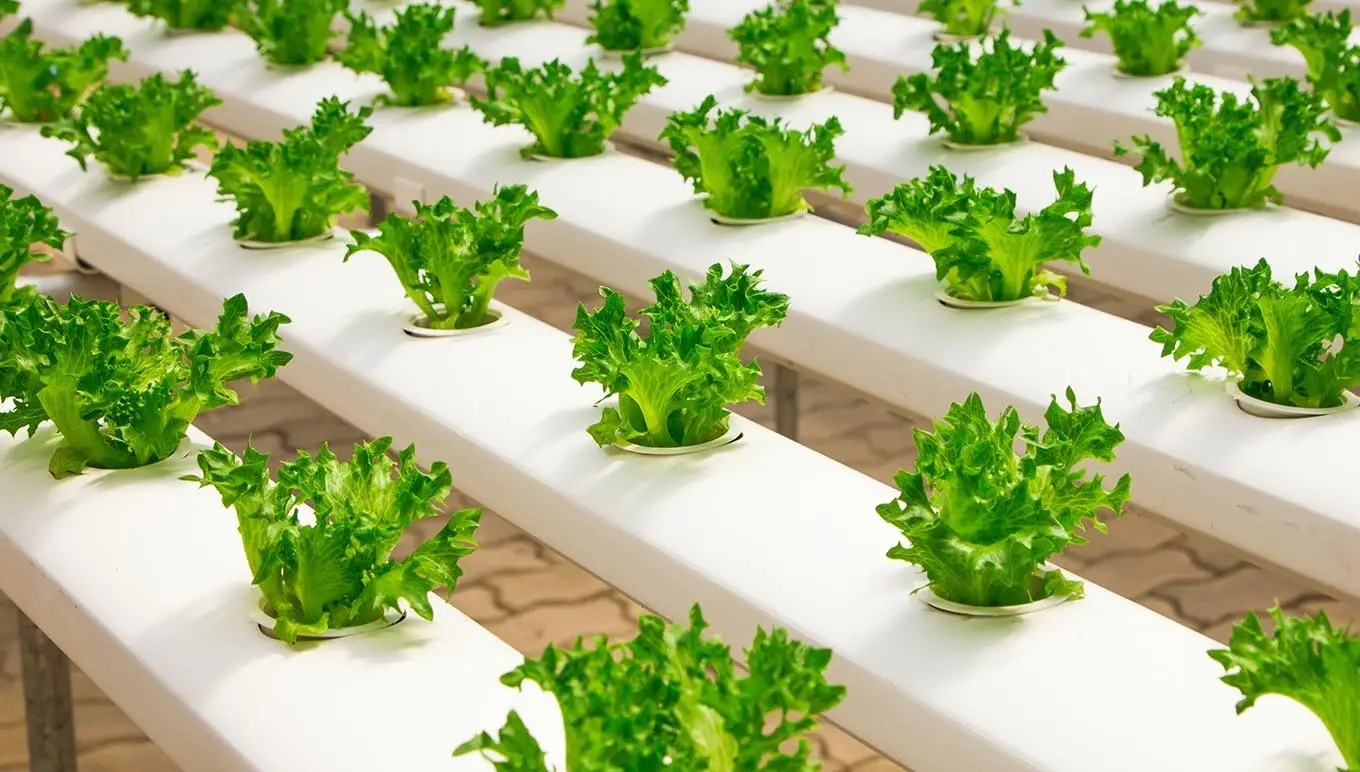
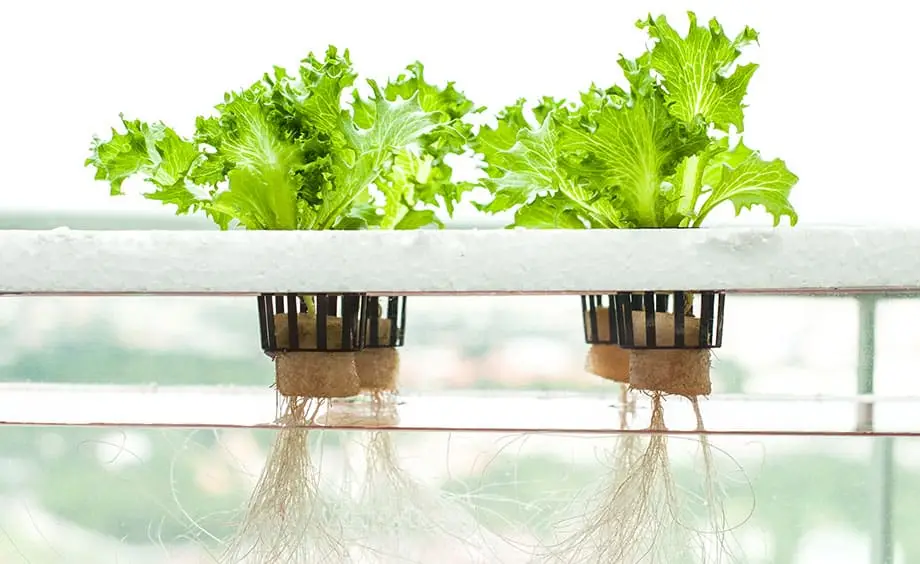
Hydroponics is a method of growing plants without soil using a nutrient-rich water solution. Plants receive precise amounts of nutrients directly at the root zone, usually inside greenhouses or controlled indoor environments.
Here, we break down some reasons how hydroponics naturally discourages pests:
1. No soil, No soil-borne pests: Many destructive pests and diseases, such as root grubs, fungal wilts, bacterial rots, and nematodes, originate and survive in soil. Since hydroponics eliminates soil entirely, these pests simply have nowhere to live or reproduce.
2. Controlled growing environment: Hydroponic farms often operate inside greenhouses or indoor setups where temperature, humidity, light, and airflow are regulated. Such conditions are less favorable for pest multiplication compared to that of open fields.
3. Cleaner root zone: In soil farming, decaying organic matter attracts insects and pathogens. Whereas in hydroponics, clean water and sterile growing media (like cocopeat, perlite, or rockwool) greatly reduce contamination risks.
4. Early detection and easy control: As plants are arranged systematically in a hydroponic setup, farmers can spot pest issues at an early stage. This prevents widespread infestation and reduces the need for chemical sprays.
2. Impacts of Pest Attacks in Conventional Soil-Based Farming:
To truly understand the advantage of hydroponics, it’s equally important to look at the chain reaction caused by pests in conventional soil-based farming. Let’s dive into it:
i) Soil as a Permanent Pest Reservoir: Soil is a living ecosystem consisting of larvae, insects, fungi, and bacteria. While some are beneficial to the soil, many are harmful. Pest eggs can remain dormant in soil for years. Crop rotation may reduce pests but cannot eliminate them fully. Once land is infected, repeated outbreaks are common. This makes pest control a recurring problem for farmers.
ii) Root Damage and Nutrient Blockage: When pests like grubs, nematodes, or root aphids attack, it leads to the following chain reactions: Roots become damaged or deformed. Nutrient and water absorption reduces. Plants show stunted growth, yellowing, and wilting. Even with enough fertilizers, plants fail to recover because the root system is already weakened.
iii) Spread of Soil-Borne Diseases: Many pests act as vectors, spreading fungal and bacterial diseases such as fusarium wilt, pythium root rot, and bacterial blight. Once infected, diseases spread quickly through irrigation water and soil contact, often destroying entire fields.
iv) Increased Dependence on Chemical Pesticides: To control pests in soil farming, farmers often rely on chemical sprays and soil fumigants. This leads to higher input costs, building up pesticide resistance, chemical residues in food, and environmental and health concerns. Paradoxically, excessive pesticide use can also kill beneficial soil organisms, worsening the problem in the long run.
v) Yield Loss and Economic Stress: Pest attacks rarely affect just one plant. They usually result in uneven crop growth, lower market quality, reduced shelf life, and financial losses for farmers. In severe cases, farmers are forced to abandon crops in the middle of the season.
3. Hydroponics: The Future of Low-Risk Farming:
Hydroponics is not just a modern trend. It is a risk management strategy for farmers facing climate change, pest resistance, and rising input costs. Hydroponics drastically reduces pest incidence, protects plant health, and ensures consistent yields, as soil is completely avoided in this scenario.
Say it for urban farmers, entrepreneurs, or sustainable agriculture enthusiasts: hydroponics offers a cleaner path forward, with fewer pests, fewer chemicals, and more control over year-round production.
We, at Happhygreenz, are working on a mission to build sustainable agriculture by offering hands-on training sessions to urban growers on hydroponics-a low-risk farming alternative.
You are a click away from growing pest-free plants in your balcony space! Register here or feel free to contact us for any queries!
Compiled and Written by
Agrowvitz Agronomist
Durga B
A WordPress Commenter
The relationship with broader market conditions was well explained.
fundamental analysis for forex